top of page


Meet Carolina's Bees:
Pollinate Carolina’s apiaries bring students, pollinators, education, and community together through hands-on beekeeping at UNC.
From One Hive to Today
A single hive was only the beginning. Over time, our apiaries have grown into living spaces for bees, students, and the work they continue to make possible.

Meet Our Lead Student Beekeepers
Nathan Halsey
A UNC senior with eight years of beekeeping experience and certification as a North Carolina Certified Beekeeper, Nathan helps lead the care and stewardship of Pollinate Carolina’s campus apiaries.
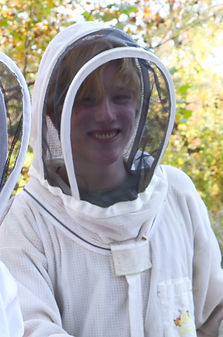
Christian Dale
A UNC senior with six years of beekeeping experience, Christian helps lead hive inspections, guide student beekeepers, and introduce visitors to the apiaries through tours and hands-on learning.

Beekeeping in Action
Step into a weekly routine hive check and experience the careful, hands-on work behind our campus apiaries.
Our work begins with caring for the bees, but its impact reaches far beyond the hive. That care grows outward through projects that support people, strengthen communities, and restore the landscapes pollinators depend on.
By caring for the systems around them, we ultimately return that care to the pollinators that made it all possible.
Honey bees are social pollinators whose visible hives, honey production, and fascinating behavior make them an approachable way to connect people with pollinators. At Pollinate Carolina, they serve as a gateway to hands-on learning about ecology, food systems, and environmental health.
However, North Carolina’s native bees, butterflies, moths, beetles, flies, hummingbirds, and other pollinators are just as important, and many face growing pressures. By engaging people through honey bees, we hope to educate, inspire curiosity, and build a deeper appreciation for pollinators. Through pollinator-friendly plantings, trees, habitat improvements, and education, we work to create healthier spaces for native pollinators across campus and the surrounding community.
Empower
Growth

bottom of page